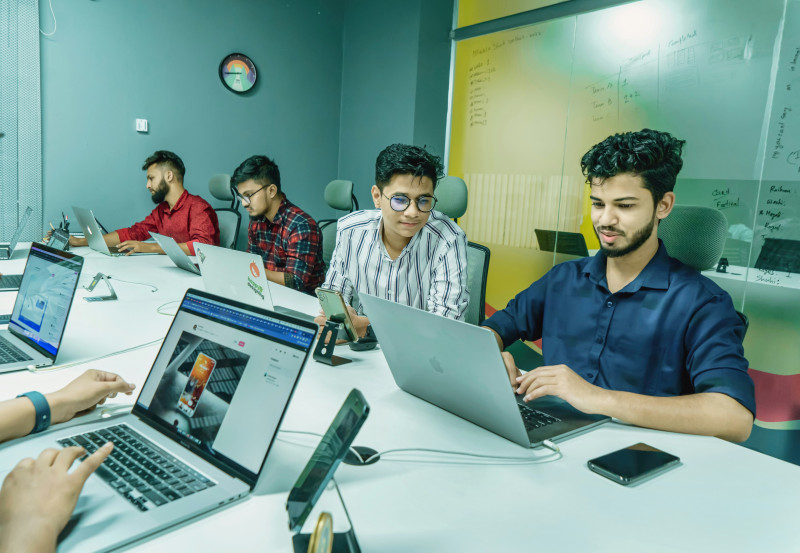
Technical skill gets software engineers hired, but soft skills determine how far they can go. Modern software development is not an isolated activity where one person writes code alone and delivers finished systems without interaction. Engineers work with product managers, designers, QA, security teams, stakeholders, and other developers. They operate within deadlines, shifting priorities, ambiguous requirements, and collaborative decision-making. In that environment, soft skills are not optional. They directly affect code quality, delivery speed, team trust, and long-term career growth. Communication is the most important soft skill for software engineers. Strong engineers explain technical ideas in ways that different audiences can understand. They know when to be precise, when to simplify, and when to ask clarifying questions. Good communication reduces rework because assumptions are surfaced early. It also improves design discussions, code reviews, incident response, and documentation. Engineers who communicate well can describe tradeoffs clearly, write useful tickets, document systems effectively, and prevent confusion before it spreads through a project. Collaboration is equally critical because software is built by teams, not individuals. Engineers need to work across specialties, align on shared goals, and contribute without creating friction. This means listening carefully, respecting alternative viewpoints, and giving constructive feedback. In practice, collaboration shows up in pair programming, code reviews, planning sessions, architecture discussions, and debugging efforts. Engineers who collaborate well make teams stronger because they focus on solving problems rather than proving themselves right. They help create a culture where knowledge is shared and progress is collective. Adaptability is another essential soft skill in software engineering because change is constant. Requirements evolve, tools change, systems scale, incidents happen, and priorities shift. Engineers who resist change slow teams down. Engineers who adapt quickly remain effective under uncertainty. Adaptability does not mean accepting chaos without thought. It means staying calm, learning fast, and adjusting approaches based on new information. Developers who can pivot without losing focus are far more valuable than those who only perform well under ideal conditions. Problem-solving is often treated as a purely technical ability, but its strongest form depends on soft skills. Many engineering problems are not solved by code alone. They require patience, structured thinking, curiosity, and the discipline to ask the right questions. Strong problem-solvers avoid jumping to conclusions. They gather context, verify assumptions, and work methodically through ambiguity. They also know when to involve others, when to escalate, and when to simplify. This kind of judgment saves time and prevents teams from wasting effort on the wrong solution. Empathy is one of the most underestimated strengths in engineering. It improves how developers design systems, review code, respond to incidents, and work with teammates. Engineers with empathy think about the people using their software, the teammates maintaining the code, and the stakeholders relying on delivery. They write clearer code because they consider future readers. They give better feedback because they understand how tone affects trust. They build better products because they think beyond implementation and consider real user needs and pain points. Time management and ownership also separate dependable engineers from merely capable ones. Software teams rely on people who can prioritize work, manage scope, and follow through without constant supervision. Ownership means taking responsibility for outcomes, not just assigned tasks. It includes raising risks early, finishing what was started, and addressing issues before they become larger failures. Engineers with strong ownership do not wait to be told every next step. They move work forward, communicate blockers, and maintain accountability from design through delivery. Soft skills are not secondary to engineering performance. They are part of engineering performance. Communication sharpens execution, collaboration improves team output, adaptability sustains momentum, problem-solving strengthens decisions, empathy improves product and team health, and ownership builds trust. Technical skills may produce code, but soft skills determine whether that code solves the right problem, survives team growth, and creates lasting value. For software engineers who want to be effective beyond individual contribution, mastering soft skills is not a career accessory. It is a professional requirement.